
How to choose the right paper baking mould
Shape, size, height and paper: a simple way to pick the mould that fits your product, your oven and your shelf.
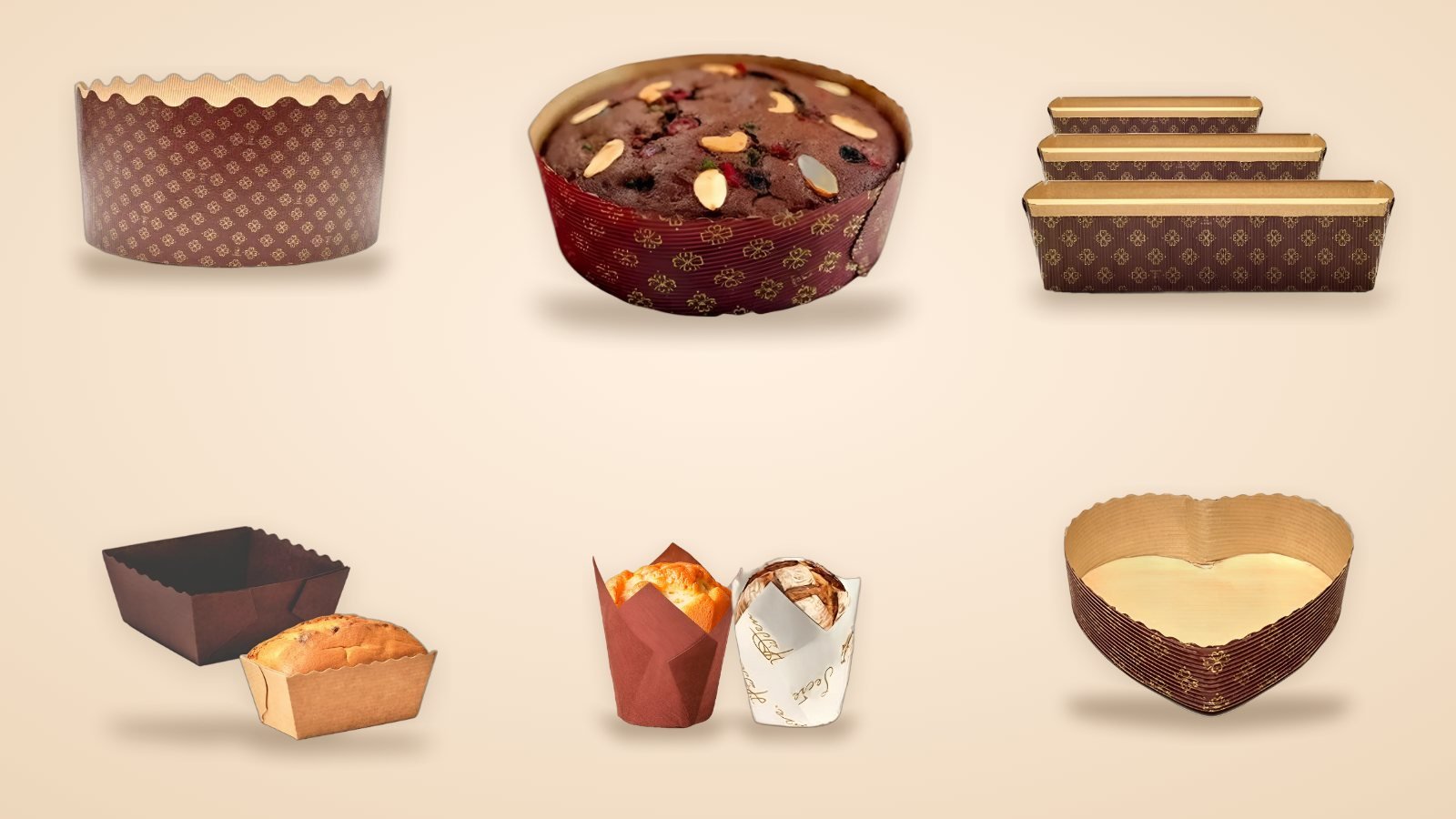
Choosing a paper mould is easier than choosing a tin, because the mould is also the packaging. Four questions are enough.
1. What are you baking, and how much does one piece weigh?
Start from the weight of the finished product. Our catalogue gives the portion for most moulds:
- Mini panettone and gift cakes, 60–100 g: Small Panettone moulds.
- Panettone, 250 g and 500 g: Panettone moulds.
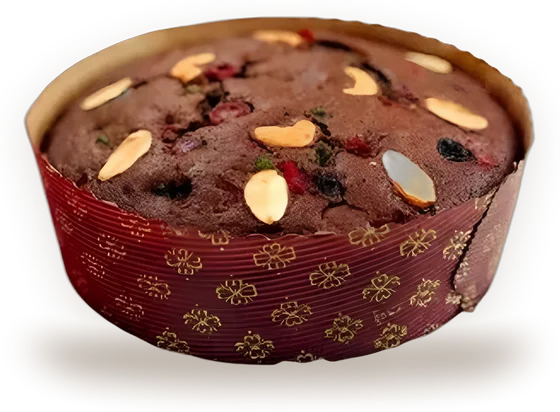
- Fruit cakes, dry cakes, tarts and pies, 100 g to 1 kg: Panettone Basso (low) moulds, twelve sizes.
- Plum cakes, banana bread and tea cakes, 150–400 g: Plum cake moulds.
- Brownies and bars: Brownie & bar cake moulds, from 50 × 50 mm bites to 155 × 155 mm trays.
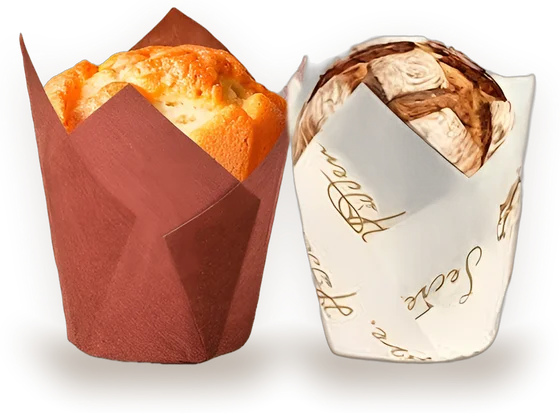
- Cupcakes and muffins: cupcake cups, curl cups or tulip cups.
2. Read the base and the height
In our tables, Base is the bottom size in millimetres (the diameter for round moulds) and H is the height. Low moulds bake faster and suit tarts and dense cakes; taller moulds suit leavened doughs that rise, like panettone.
3. Pick the paper
- Corrugated paper (Panettone Basso, brownie moulds): a strong wall for heavy cakes.
- Rigid moulds (Ecos Optima): a firm wall for tarts and desserts that must keep a clean edge on the counter.
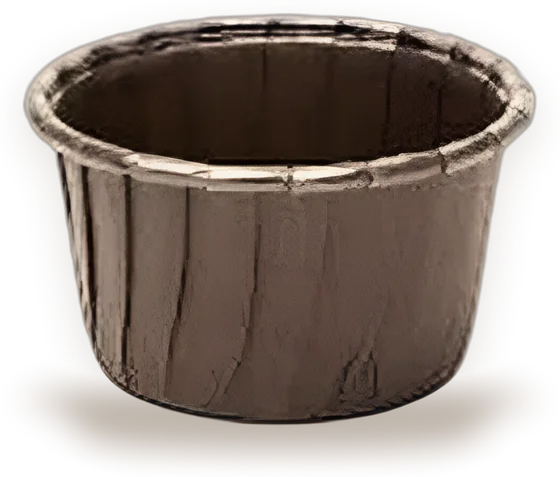
- Greaseproof paper (tulip cups, cups for sweets, papers): keeps oil and butter from showing through.
4. Decide how it will look on the shelf
Plain, printed, coloured or printed with your brand: the mould is what the customer sees first. Most items can be printed in your colours; ask us for minimum quantities.
Not sure? Send us the product, the weight and the quantity per month, and we will suggest two or three moulds and send samples.